Thinking about a Jonesborough home with original windows, wide-plank floors, and that timeless front porch? You’re not alone. Historic homes here have heart and history, but they also come with rules, inspections, and repair choices that can surprise first-time buyers. In this guide, you’ll learn how Jonesborough’s historic overlay works, what to inspect, how to plan repairs the right way, and which financing and grants can help. Let’s dive in.
Why Jonesborough historic homes are different
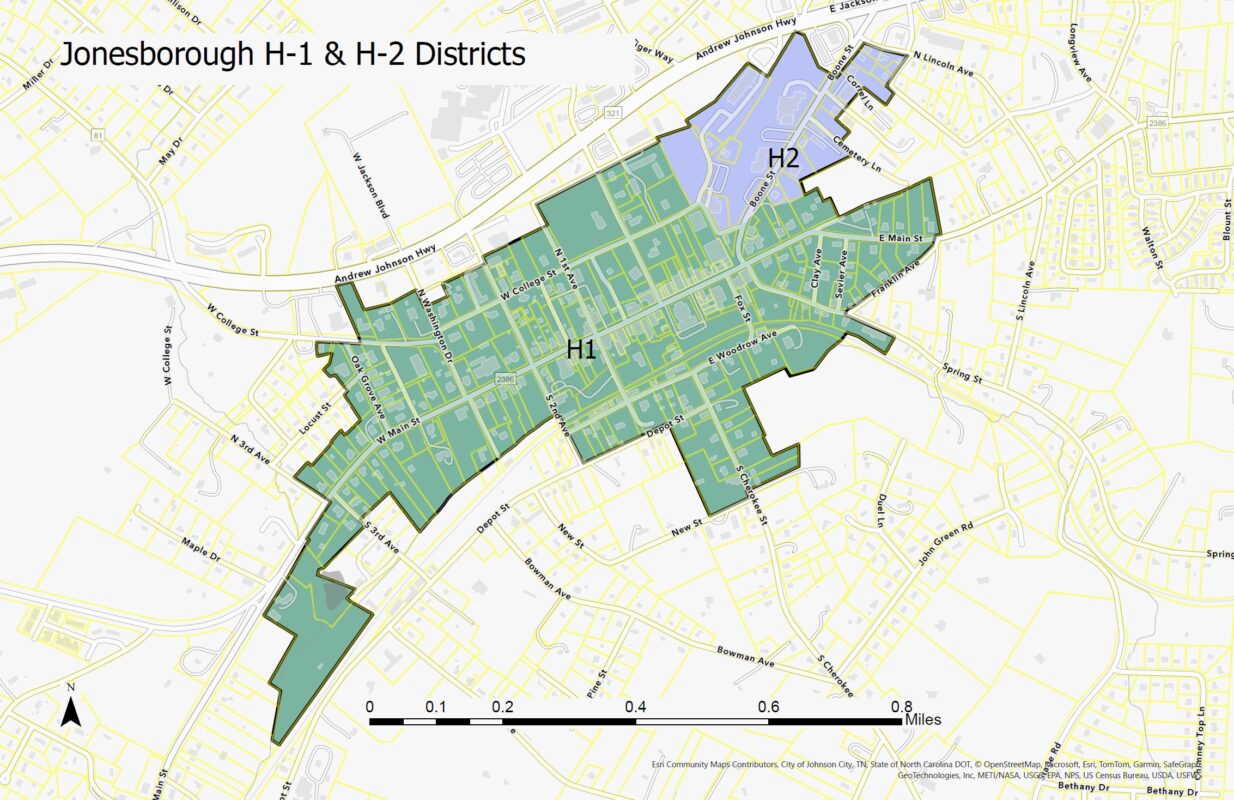
Jonesborough protects its historic character through two local historic overlay zones called H-1 and H-2. If a property sits in one of these overlays, most exterior work requires review by the Historic Zoning Commission and approval through a Certificate of Appropriateness, often called a COA. You can find meeting schedules, standards, and application details on the town’s Historic Zoning Commission page. Review the Commission’s process and plan your project calendar around the meeting cycle to avoid delays. Learn how the Historic Zoning Commission reviews exterior work.
Before you make an offer, verify if the home is in H-1 or H-2 using the town’s map. If it is, build the COA timing into your offer and post-closing renovation plans. Failing to get the right approvals can lead to stop-work orders or fines, so treat the COA as your first step before any exterior changes. Check the H-1/H-2 overlay map to confirm status.
What to expect in older homes
Older homes are durable, but they need care. Many character features are worth saving, and Jonesborough’s standards and national preservation guidance favor repair over replacement when possible. Here are common areas to evaluate and discuss during showings and inspections.
Windows and sash
Original wood windows often perform well with the right repairs. Look for stuck sashes, missing glazing, or failed weatherstripping. Adding storm windows, repairing sash cords, and targeted wood repairs can boost comfort without losing historic character. For techniques and decision guides, see the National Park Service’s guidance on repairing historic wooden windows. Read NPS guidance on historic wood window repair.
Roofs, gutters, and flashing
Historic roofs may be slate, metal, or wood shingles. Expect periodic maintenance or selective replacement over the years. Focus on flashing, valleys, and transitions where leaks start. Local standards and national briefs emphasize repairing character materials where feasible so roofs keep their original look and performance. For broader energy and maintenance context, review NPS efficiency guidance for historic buildings. Explore NPS guidance on caring for historic buildings.
Masonry and moisture
Brick and stone walls often need gentle cleaning and compatible mortar. High-strength modern mortars can damage older brick, so repointing with the right mix is important. Water is the biggest long-term threat, so check grading, gutters, downspouts, and crawlspace conditions. Jonesborough’s standards prioritize fixing moisture sources first and repairing original materials. See how the town regulates historic work, including moisture-focused repairs.
Electrical, plumbing, and HVAC
Older systems may include knob-and-tube wiring, small fuse panels, or early aluminum branch wiring. These can be underwriting and safety issues, so a licensed electrician should review service size, grounding, and any visible old wiring. Galvanized or lead supply lines and older cast-iron sewer lines are also common in historic homes. Plan for a plumbing scope and an updated HVAC evaluation to meet modern comfort and safety needs.
Pests and wood-destroying insects
Termite and WDI inspections are common in Tennessee and often part of loan files. Look for past treatments, transferable bonds, and any signs of damage. If you see visible activity or conditions that invite pests, bring in a specialist and adjust your offer or repair plan as needed.
Lead paint and safe renovation
If the home was built before 1978, assume there may be lead-based paint on trim, windows, and siding. Federal rules require contractors to follow lead-safe practices when disturbing painted surfaces in pre-1978 housing. That means trained crews, proper containment, and cleanup. If you are budgeting for repainting or window work after closing, plan for RRP-compliant methods and contractor certifications. Review EPA lead-safe renovation requirements.
Asbestos may also be present in older insulation or certain finishes. If you see suspect materials, consider an environmental screen during inspections. In both cases, plan for safe testing and professional abatement if needed. For broader strategies that balance efficiency, health, and preservation, review national guidance on historic building performance. See NPS guidance on energy and preservation planning.
Smart financing and incentives
Historic homes sometimes need repairs soon after closing. The right loan and incentives can make that easier.
Renovation mortgages: Buyers can roll repair costs into a purchase or refinance through programs like FHA 203(k), Fannie Mae HomeStyle Renovation, HomeStyle Refresh, and Freddie Mac CHOICERenovation or CHOICEReno eXPress. Each program has timelines, documentation, and draw rules, so compare lenders who routinely close renovation loans. Review FHA 203(k) to understand how repairs can be financed.
Federal historic tax credit: The 20 percent Federal Historic Rehabilitation Tax Credit applies to income-producing certified historic buildings, not to owner-occupied private residences. If you plan to create a rental or other income property, the project must follow the Secretary of the Interior’s Standards and be certified by the National Park Service and the Tennessee State Historic Preservation Office. See Tennessee SHPO guidance on the federal tax credit.
State incentives: Tennessee has not traditionally offered a broad state-level historic rehabilitation income tax credit. Programs can evolve, so confirm current options with the Tennessee Historical Commission.
Local grants: Jonesborough’s Downtown Façade and Architectural Improvement Grant reimburses 50 percent of eligible exterior work up to $2,500 per property. A COA is required before work begins, and funding is first-come with periodic application windows. Check current details for the Downtown Façade Grant.
Materials and local help: The Heritage Alliance operates a salvage warehouse and offers referrals to craftsmen who know historic methods. This can lower costs and help you find compatible materials for repairs. Explore Heritage Alliance preservation resources.
Practical tip: If you are buying a home to live in and it needs work, pair a renovation mortgage with local grant dollars if your project scope qualifies. If you are restoring a building for income use, contact the Tennessee Historical Commission early to map the certification steps.
Permits, documents, and red flags
Before you write an offer
Confirm whether the property is in H-1 or H-2 using the town’s map. If so, expect to apply for a COA for most exterior changes. Plan your timeline to include at least one Historic Zoning Commission meeting cycle. Verify overlay status with the town map.
Ask the seller for these documents
- All building permits and final inspections for exterior work, including any past COAs.
- Records of any Historic Zoning Commission reviews and approvals for the property.
- Recent service records or reports for roof, HVAC, electrical, plumbing, and foundation.
- Termite or WDI inspection history and any transferable treatment bond.
- Any insurance claim history for water, fire, or flood events.
Red flags to investigate right away
- Active termite evidence or significant prior damage.
- Major foundation cracks or signs of settlement.
- Damp crawlspace, basement moisture, or poor grading.
- Knob-and-tube wiring, undersized electrical service, or unsafe panels.
- Roof segments at end of life or areas with chronic leaks.
- Undocumented structural repairs or missing permits for major past work.
Any of these should trigger specialist evaluations, and they can become negotiation points for price, credits, or repairs.
How approvals and permits work
If the home is in H-1 or H-2, you will need Historic Zoning Commission approval first through a COA before the town can issue a building permit. The Commission applies written standards to confirm that materials and designs are compatible. Allow time for at least one meeting cycle, and follow the steps to avoid stop-work orders or fines. Read Jonesborough’s historic zoning provisions and enforcement details.
Showing and inspection checklist
Use this quick list during showings and inspections to stay focused on what matters for a historic home.
- Verify H-1/H-2 status and ask for any past COAs or HZC records.
- Look for moisture risks: efflorescence on brick, peeling paint at sills, damp crawlspace, or standing water near the foundation.
- Check gutters and downspouts and make sure they carry water away from the house.
- Inspect porches and balconies for sagging, rot at posts, spliced members, or wobbly rails.
- Note the electrical service: modern breaker panel or older fuse box, visible knob-and-tube, or early aluminum wiring.
- Ask for termite/WDI reports and whether a bond is in place.
Inspection add-ons to consider based on age and what you see:
- Full home inspection by an experienced inspector.
- WDI/termite inspection using standard forms.
- Licensed electrician scope and estimate for any old wiring or undersized service.
- Structural engineer if you see foundation or framing concerns.
- Lead-based paint test for pre-1978 homes and an asbestos screen if materials look suspect.
- Roof, chimney, and moisture specialists if leaks or insulation issues are likely.
Local contacts and help
- Historic Zoning Commission: COA process, standards, and meeting schedule.
- Town Building Inspector: how COA connects to building permits.
- Downtown Façade and Architectural Improvement Grant: reimbursement for eligible exterior work.
- Heritage Alliance of NE TN & SW VA: salvage materials and preservation referrals.
- Tennessee Historical Commission: federal tax credit guidance and SHPO certification questions.
- Washington County Register of Deeds and Assessor: deed and recorded document searches.
Buying a historic home in Jonesborough can be deeply rewarding when you plan ahead. Confirm overlay status early, line up the right inspections, and choose repairs that protect original materials where you can. With smart financing and local resources, you can honor the home’s character and manage costs with confidence.
If you are ready to explore historic homes in Jonesborough or want help mapping your COA and inspection plan, reach out to a local advisor who understands both the market and the process. Connect with Tony Vaughn to talk through your goals and next steps.
FAQs
What is a COA in Jonesborough and when do I need one?
- A Certificate of Appropriateness is required for most exterior work in the H-1 or H-2 historic overlays, and it must be approved by the Historic Zoning Commission before you can get a building permit.
How do I check if a Jonesborough property is in H-1 or H-2?
- Use the town’s published overlay map to confirm status before writing an offer, and plan your renovation timeline around the Historic Zoning Commission meeting cycle if the property is in an overlay.
Can I replace original windows in a historic home?
- Often, repair is preferred because original windows are character-defining and commonly restorable; consider sash repair, weatherstripping, and storm windows before full replacement.
Do historic tax credits apply to an owner-occupied home in Tennessee?
- The 20 percent federal credit is for income-producing certified historic buildings, not owner-occupied private residences; contact the Tennessee Historical Commission if you plan an income-use project.
What inspections should I order for a pre-1940 home in Jonesborough?
- Start with a full home inspection and add WDI, licensed electrician, structural engineer if needed, lead-based paint testing, and roof or moisture specialists based on what you and your inspector find.
Are there local grants to help with exterior repairs?
- Yes. Jonesborough’s Downtown Façade and Architectural Improvement Grant can reimburse a portion of eligible exterior work, but you must secure a COA before starting and apply within program windows.